BRYAN CASH
I favor a style of decorating that was popular until around the 1980s, after which time it seemed to decline significantly, as the technological mindset increasingly destroyed good taste. This is combining comfortable upholstery in early 20th century styles with classic antique furniture and pleasant lighting from pottery and brass lamps.
I dislike everything modern—there is no naturalness or charm in any of it. I have a general rule: if it didn’t exist one hundred years ago, then forget it. Because the antique pieces that I like are very rare to find, I prefer to work with reproductions from the few workshops that still use authentic artisanal methods. This also allows to perpetuate craft skills, use native woods and natural finishes, and make some changes when desirable.
I only use natural materials and traditional construction techniques. I like furniture with a strong form and just a little bit of decoration. I prefer an earthy setting and simple natural materials that patinate over time. I only use solid wood and natural oil/wax finishes—never any veneers, composites, stains, or synthetic finishes.
Fireplaces
I like fireplaces with simple design but beautiful color and grain. These go with the elegant but simple and natural aspect of the house and are nice in walls of lime or clay plaster or wood panelling. As with wood, the stone should never have synthetic sealants or high polish, but just simple natural oil/wax treatment.
 Italian 17th century in Breccia di Pernice Italian 17th century in Breccia di Pernice |
 English 18th century in Bardiglio with contrasting marble foot blocks English 18th century in Bardiglio with contrasting marble foot blocks |
Walls
I really like wood panelling, particularly simple pinned mortise and tenon and frame and panel (like shown below) and also just plain wooden boards. Often I would leave the panelling untreated, but it could also receive natural oil/wax treatment. The other wall finish I like is lime or clay plaster. Lime wash, plain or colored with natural earth pigments, can be used on the plaster, and in fact is the only kind of paint I will use.
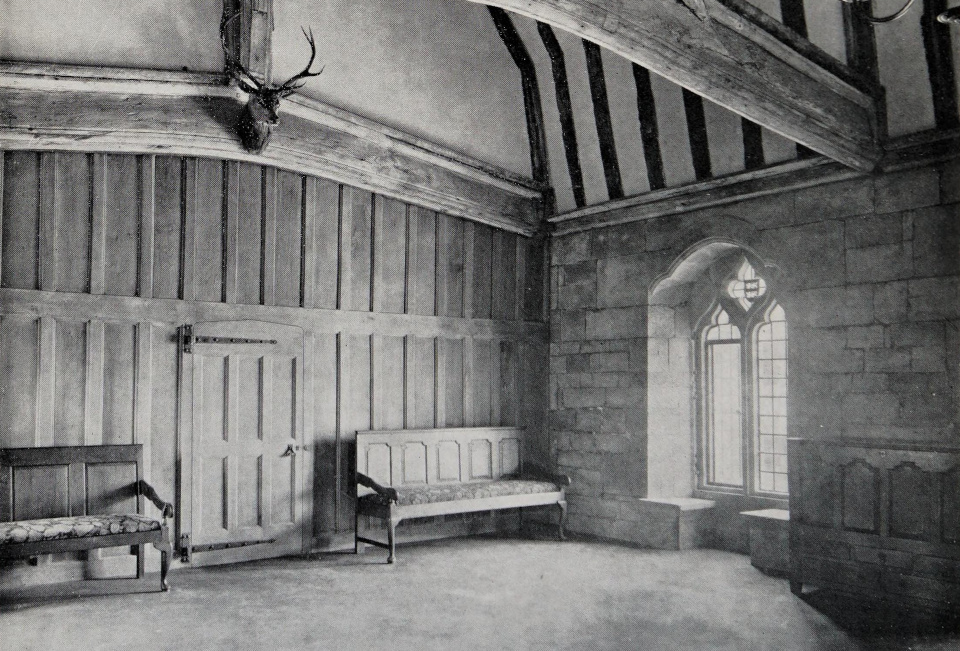
English 14th century, oak, photographed in 1914
Floors and rugs
I like floors of wood, stone, and terracotta. I particularly like broad, thick wood boards of oak and pine. The floors should be untreated and maintained with organic floor soaps, or they can receive a natural oil/wax treatment. And I like handwoven pure wool rugs from Austria, which I can get in almost any color as well as some undyed natural shades, but we can also source antique rugs.
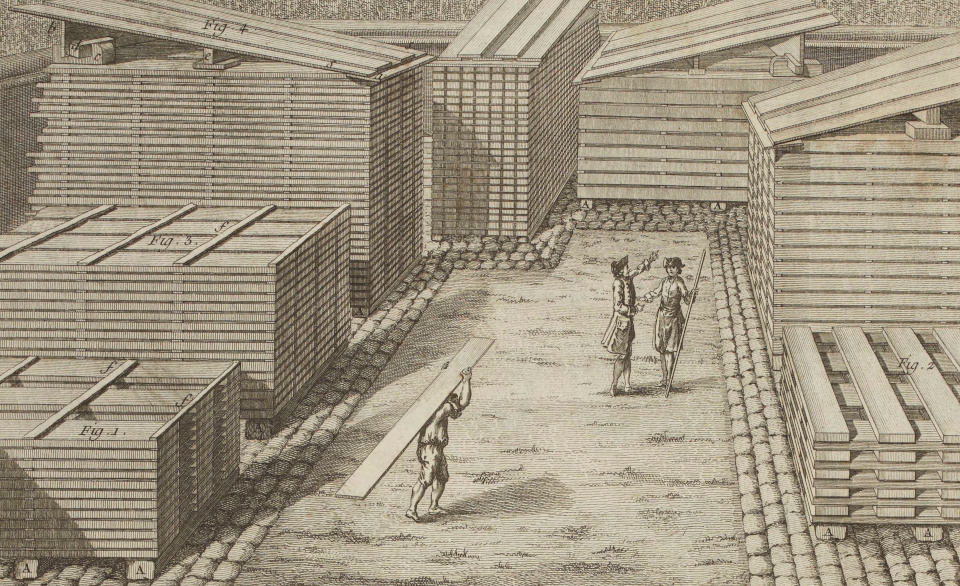
French 18th century
Kitchen
I am not a fan of the large modern showcase kitchens so common today. I like kitchens to be old-fashioned and charming. The kitchen is a workroom and should be appealing but simple, filled with wood, clay, copper, bronze, brass, carbon steel, and enamelled iron. Shown here is an excellent work table and traditional enamelled cooking range from France. This is the nicest cooking range available for the United States, and each one is custom made. My other favorite maker of French cooking ranges does not make for the US.
 French, oak French, oak |
 French, vitreous enamelled steel French, vitreous enamelled steel |
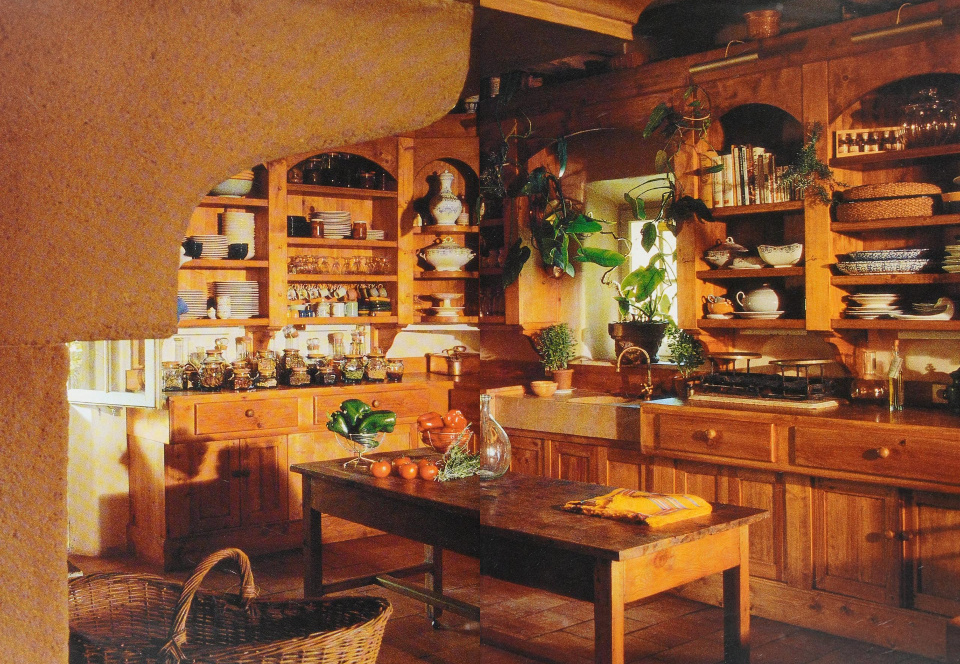 Kitchen, photographed in 1990s Kitchen, photographed in 1990s |
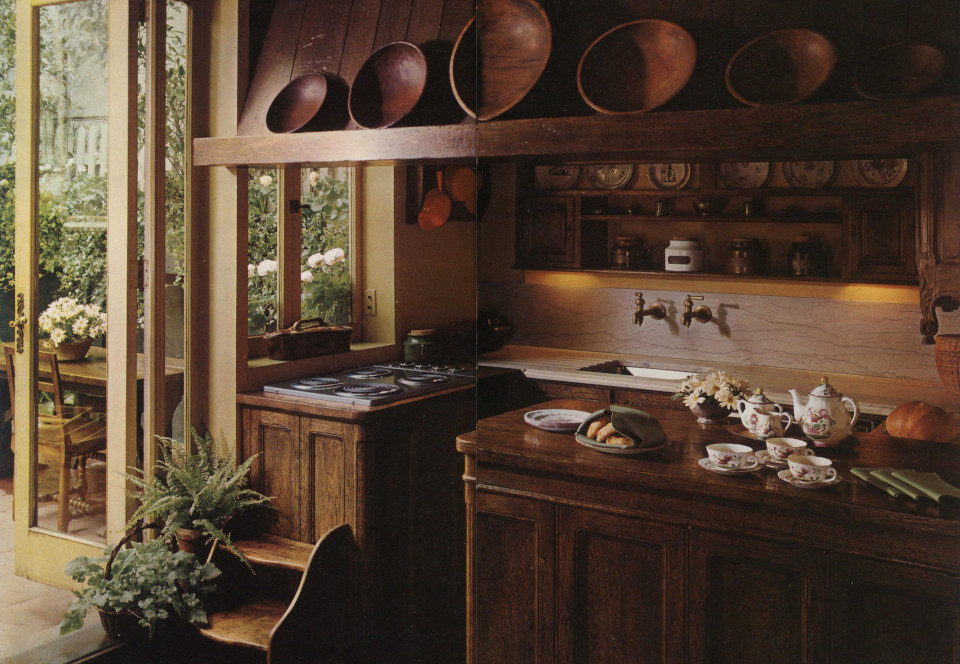 Kitchen, photographed in 1960s Kitchen, photographed in 1960s |
Taps
I like some of the taps made in France. There are a few makers there that make a real art of this work and manufacture nice classic and historical models. Traditional finishes would include chrome plating, which is a durable and fairly unchanging finish, nickel plating, which will patinate slowly over time, and natural brass, which is the base material of the tap and will patinate fairly quickly. Also possible is high-quality gold plating. Shown below is one of my favorites, a classic model with nice form and some interesting details. Because it uses ceramic disc valves instead of jumper washer, it is available with straight cross, water drop cross, or lever handles.
 French, brass French, brass |
 French, chrome-plated brass French, chrome-plated brass |
And perhaps my favorite taps are a classic series made in Italy continuously for 100 years (“has never been out of production since 1926”) and that are the highest-quality build available. They use unique and unrivaled mechanical valves, adjustable copper mixing pipes, bronze in-wall components, the best quality finishing (brass, gold, chrome, nickel), and have long-term availability of replacement parts. Below are two nice washbasin mixers. The unique mechanical valves are only available with cross handles. A common ceramic disc valve is available with lever handles.
 Italian, chrome-plated brass Italian, chrome-plated brass |
 Italian, chrome-plated brass Italian, chrome-plated brass |
Finishes
I only use natural finishes and usually prefer an oil or wax or successive combition of the two. Floors might even just receive a soap finish, the same as would be used for periodic cleaning and treatment. And other times no finish at all. Some of my favorite finishes and soaps come from Germany and use only natural ingredients, including some from organic cultivation. But there are also some finishes from the US that can sometimes be used.
 German, blend of natural waxes with some organic linseed oil and orange terpenes German, blend of natural waxes with some organic linseed oil and orange terpenes |
 German, organic linseed oil with some organic vinegar and orange terpenes German, organic linseed oil with some organic vinegar and orange terpenes |
Upholstery
Sofas and chairs of 18th century type or earlier, whether antique or reproduction, should be upholstered without springs, just with horsehair, cattle hair, or wool padding. This is often not done properly nowadays, but I prefer to use the authentic methods.
“All too often old seats have, in the nineteenth century, been fitted with the ugly modern garniture with springs; every amateur worthy of the name who becomes the owner of a chair or arm-chair thus disfigured will have it stripped of its springs and re-upholstered in the ancient manner; if it is a question of a rest-bed or a sofa, the movable mattress will be the only possible thing.” (Roger de Félice, 1923, sounding like me)
For sofas and club chairs of 19th and 20th century type, the natural 19th century method of individual coiled steel springs on wood frame, padded with horsehair, and loose cushions of feathers and down is appropriate. I don’t use synthetic foam or fiber. There are only a couple makers I consider in the US for this method, otherwise I typically look to a handful of English makers. Most of the designs I like for upholstery of this type were developed in the late 19th century to early 20th century.
This is one of my favorite sofa designs. It is an elegant and versatile design that looks good almost anywhere. You could play around with it and use fringe instead of piping on the seams for a different aesthetic. |
 76 in. long/wide 76 in. long/wide |
A classic and versatile sofa. Another design that is at home in almost any setting. Can look quite nice with some contrast piping. |
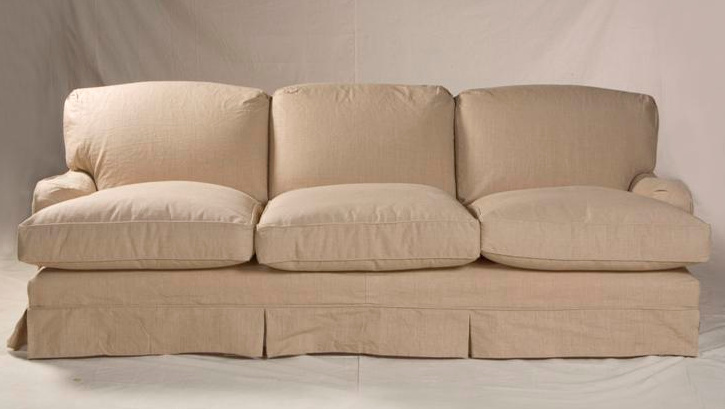 96 in. long/wide 96 in. long/wide |
This is another nice sofa design. A smaller size of the sofa above, and with loose back cushions instead of fixed back cushions. It is also very nice with a skirt on the covering. |
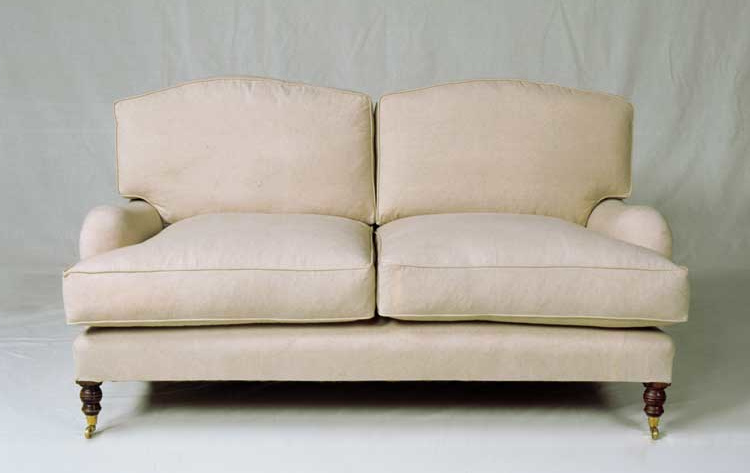 66 in. long/wide 66 in. long/wide |
A good club chair design, comfortable with nice character. This one has a fixed back cushion, but can also be made with loose back cushion, and with fixed cover, fixed cover with skirt, or loose cover with skirt. |
 33 in. wide 33 in. wide |
Perhaps my favorite version of one of the most classic archetypes of the club chair. Really nice with the loose cover with skirt (as pictured). This also makes an excellent chair with a loose back cushion. |
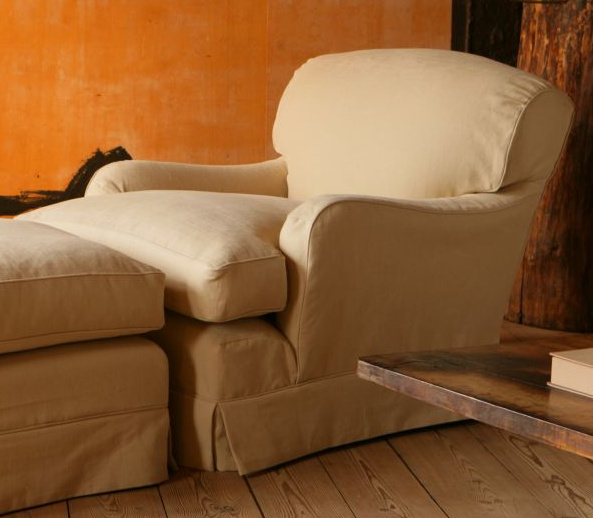 33 in. wide 33 in. wide |
The English Georgian armchair, sometimes called the “Gainsborough” chair, is one of the great pieces of furniture. I like the simple ones with good form. This one pictured below is one of my favorites. An early George III period armchair that still retains the original upholstery of the stitched horsehair padding (no springs), with covering of figured wool on plain linen ground, welting (piping) of cord wrapped in silk, and edges in close-set brass nails.
 English 18th century, mahogany English 18th century, mahogany |
 English 18th century, mahogany English 18th century, mahogany |
The English Georgian side chair of simple form (pictured below), similar to the chair above without armrests, makes perhaps the most versatile of all dining chairs. Simple yet elegant, it looks good almost anywhere, harmonizing with many styles, rooms, and tables. It should be upholstered with only the stitched horsehair padding (as the chair above). It can be covered in a nice plain fabric for the fixed upholstery and used this way, and then also have a variety of loose covers made, extending a few inches below the bottom of the seat, to use when desired and vary the feeling and look.

English 18th century, mahogany
The Louis XIII chairs, and those of a similar period from neighboring countries, represent some of the first chairs ever with fixed upholstery instead of movable loose cushions. These chairs would be upholstered using only natural materials, with a base of strong leather or closely spaced interwoven hemp or linen (nowadays, often jute) webbing, with no gaps so that the filling could be placed directly on the webbing. The filling would be pure curled horse hair or cattle hair, but I wonder if wool could also work. No metal springs are used. The chair below (photographed in 1929) has great proportion, with the front legs and stretchers turned “en chapelet” (beaded) and silk velvet covering with fringe. The backrest has gold embroidery, but I would do the backrest in the same plain silk velvet or linen or leather as the seat. We can have fringe made custom in the fiber of the covering, silk or linen—I don’t use the viscose common nowadays. It can also be nice trimmed with an undyed pure cotton grosgrain ribbon with wide spaced brass nails, with or without the fringe.
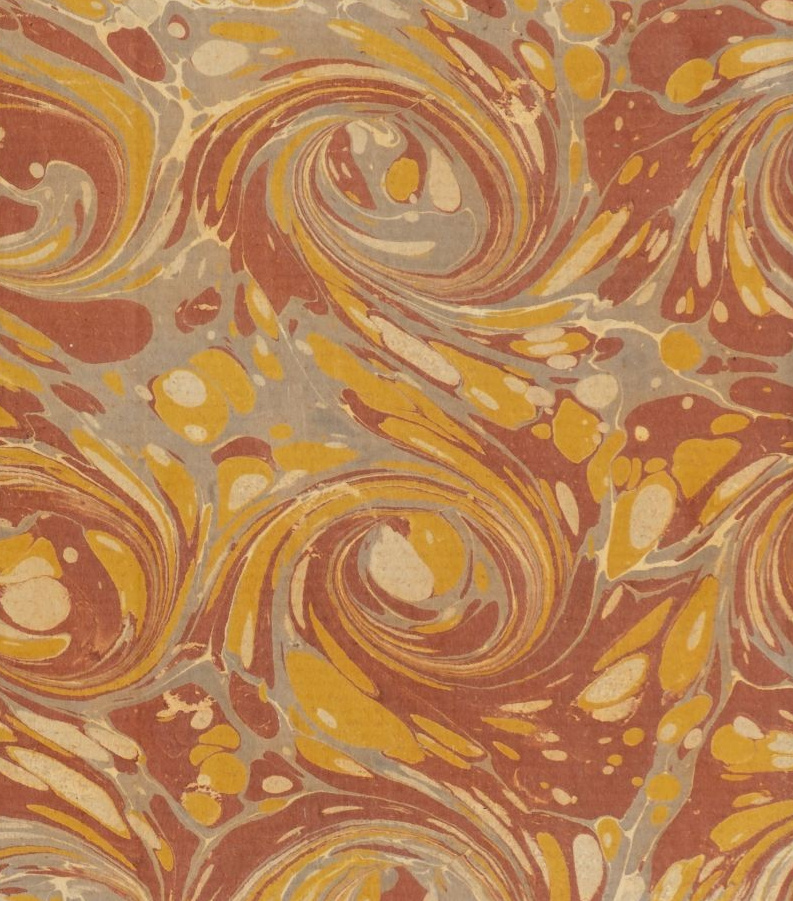 |
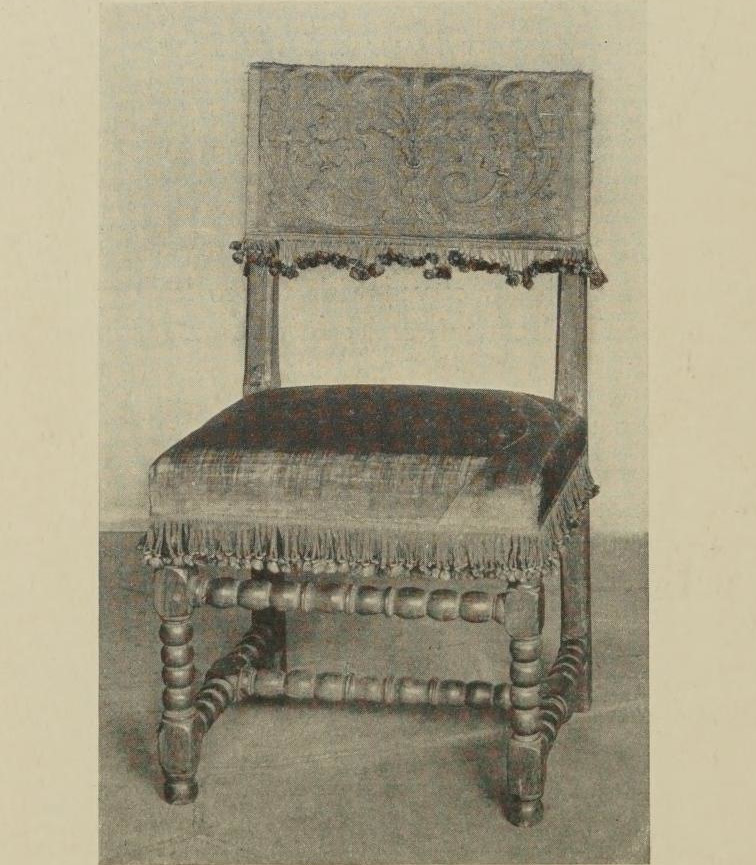 Italian 17th century, walnut Italian 17th century, walnut |
Fabrics
When it comes to fabrics, I like wool, linen, hemp, cotton, and silk because they are beautiful and old natural fibers with desirable characteristics. As with anything, I only use natural materials for the fabrics, without any unhealthy treatments or coatings. As often as possible, I like to work directly with the mill, but also sometimes source from fabric houses or specialist natural shops.
The following fabrics are a nice linen selection in a medium weight that provides a nice balance of scale and density of weave with just enough heft.
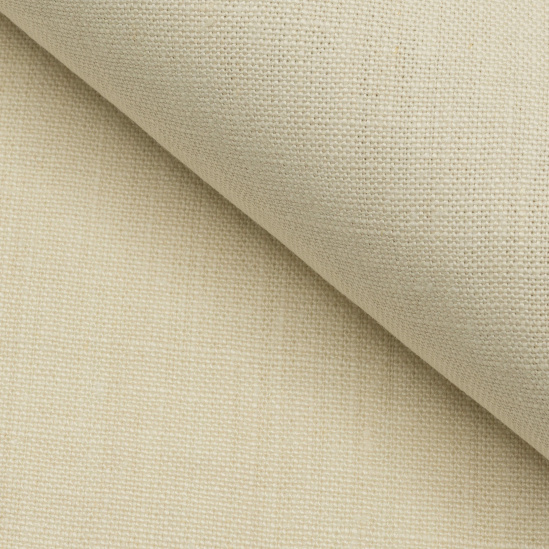 Italian, 100% linen Italian, 100% linen |
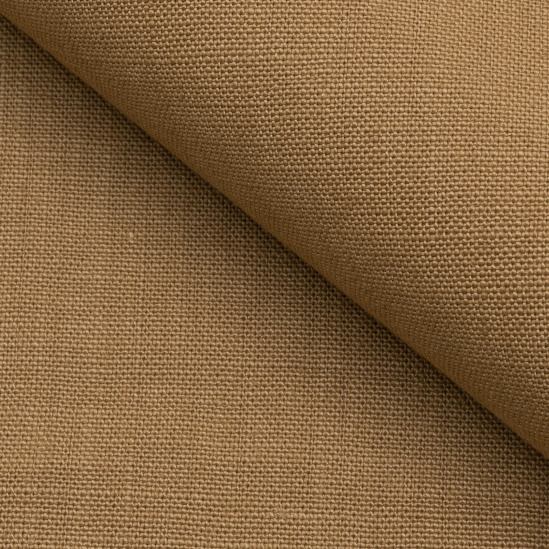 Italian, 100% linen Italian, 100% linen |
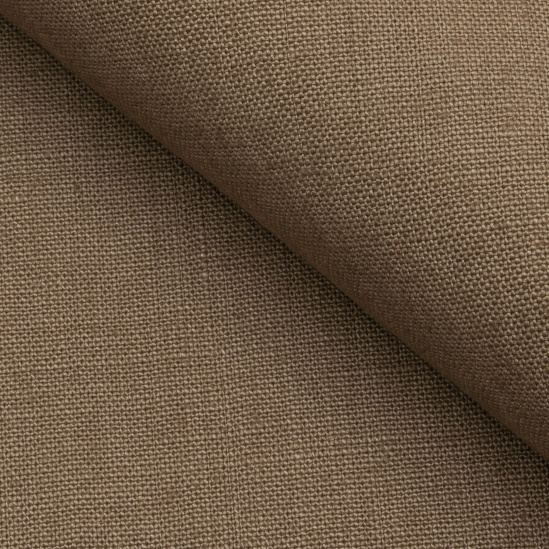 Italian, 100% linen Italian, 100% linen |
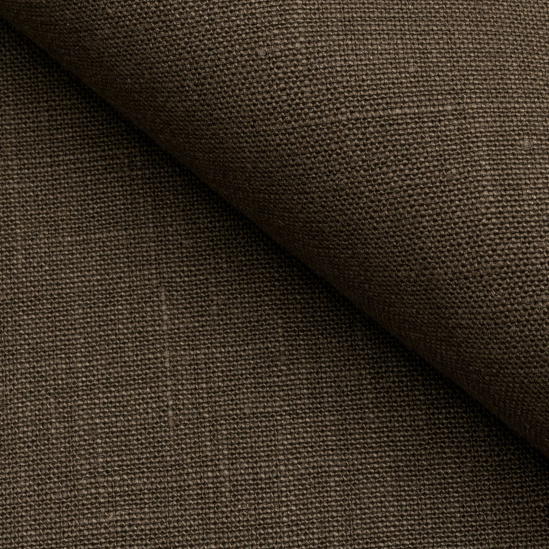 Italian, 100% linen Italian, 100% linen |
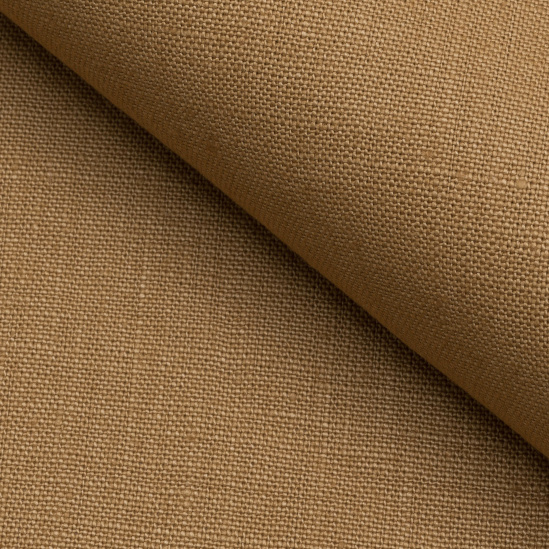 Italian, 100% linen Italian, 100% linen |
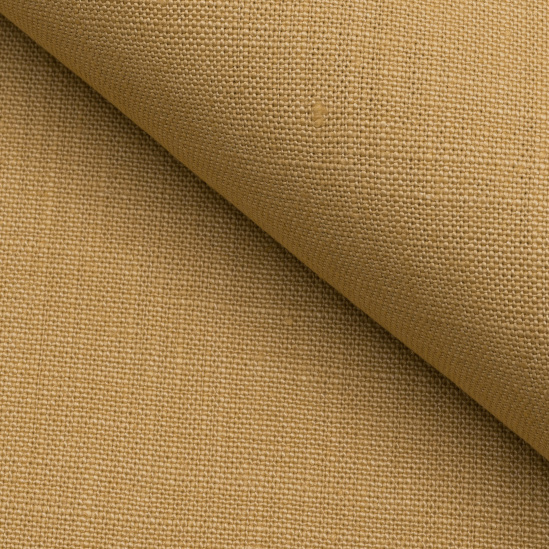 Italian, 100% linen Italian, 100% linen |
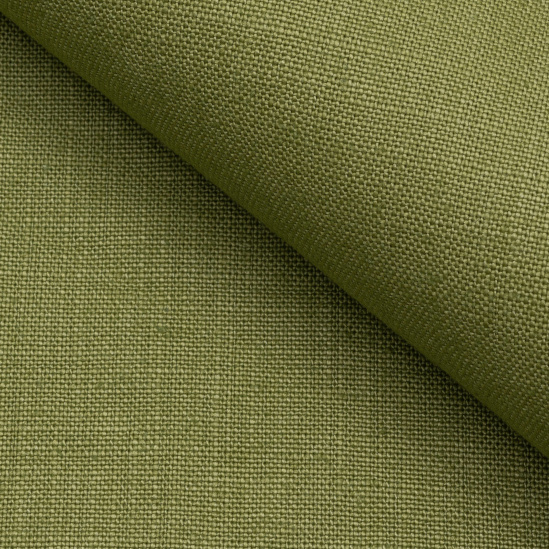 Italian, 100% linen Italian, 100% linen |
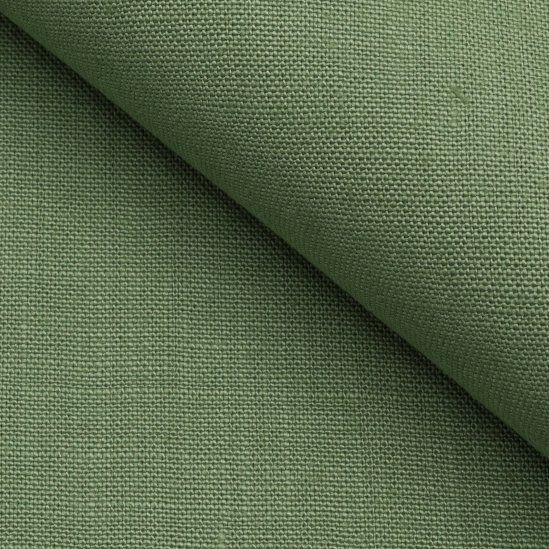 Italian, 100% linen Italian, 100% linen |
The following fabrics are old-style narrow width pure silk velvet. These are mechanically woven, but we can also use handwoven. A very luxurious fabric. I would mostly just use this fabric on the Louis XIII and sometimes the George III chairs.
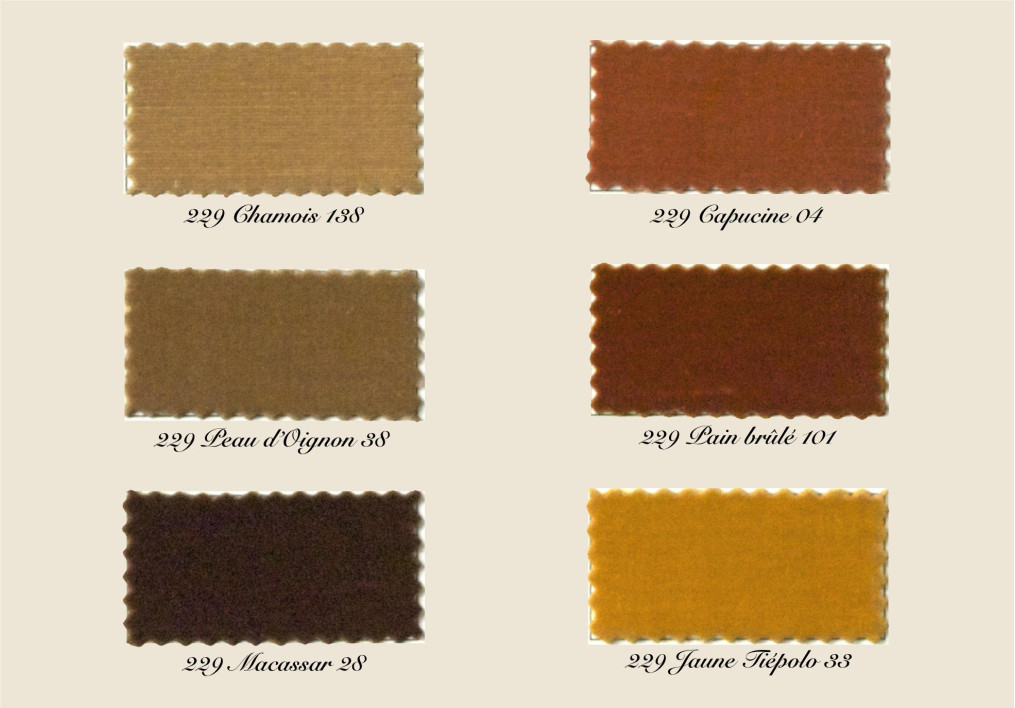
French, 100% silk
The following fabrics are a pure cotton check woven with marbled yarns. Can be nice in more casual or rustic rooms for small things like pillows or loose seat cushions on provincial chairs, like the ones shown down below.
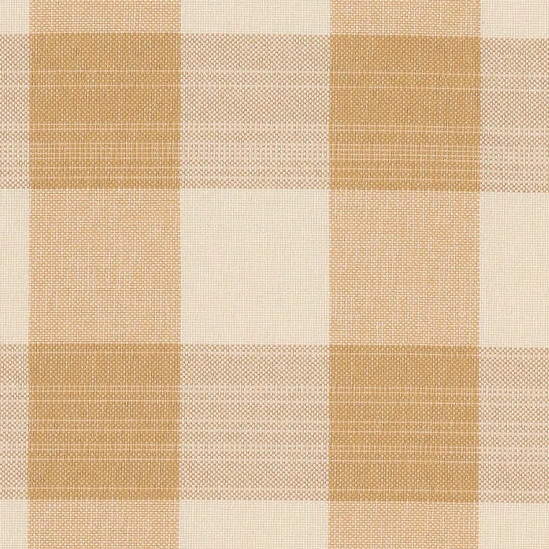 French, 100% cotton French, 100% cotton |
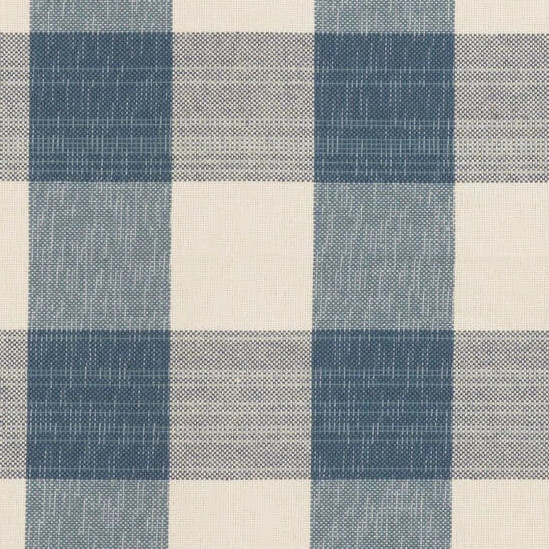 French, 100% cotton French, 100% cotton |
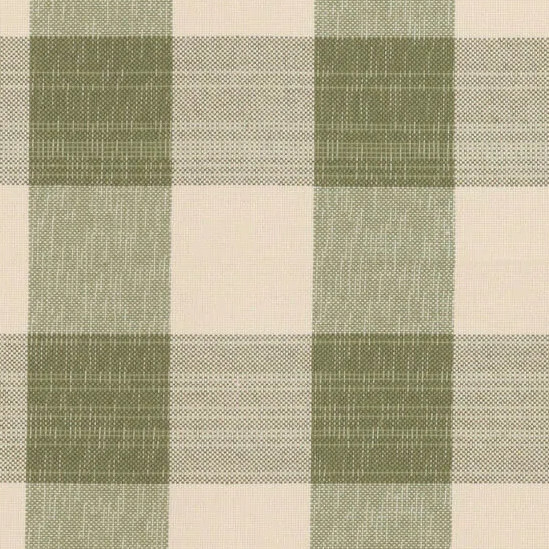 French, 100% cotton French, 100% cotton |
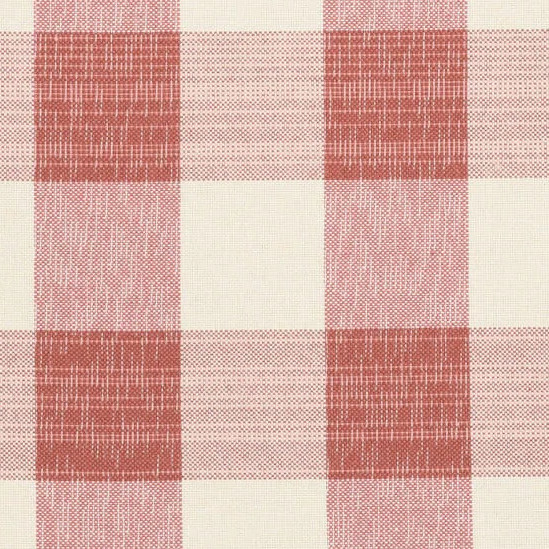 French, 100% cotton French, 100% cotton |
Furniture
My favorite furniture is in natural solid wood with pinned mortise and tenon construction. This is one of the oldest construction methods, going back to antiquity, and is strong with beautiful character. It can be combined with frame and panel construction to create cabinet pieces.
Excellent antique pieces can sometimes be found, but it is rare that the pieces I like are available, and I usually like to work with reproduction of antique models. There are still a few workshops capable of excellent craft, and it is good to keep the skills going. It also allows to experience what the furniture was like new.
The round tilt-top table is a classic and very versatile piece. It works well in many settings and is useful as a side table or tea table. Here is a George III example, where I like the simple top, the turned design of the column, and form of the legs and feet. I would usually do this in walnut for reproduction. |
 English 18th-19th century, mahogany English 18th-19th century, mahogany |
A table de vigneron, originally used for work out in the vineyard, is a also a form that can serve nicely anywhere in the house as an occasional table. There are many variations on this table, but this is one of my favorites. You can see how these probably took inspiration from earlier tilting-top tables, like the double gate model shown three below. |
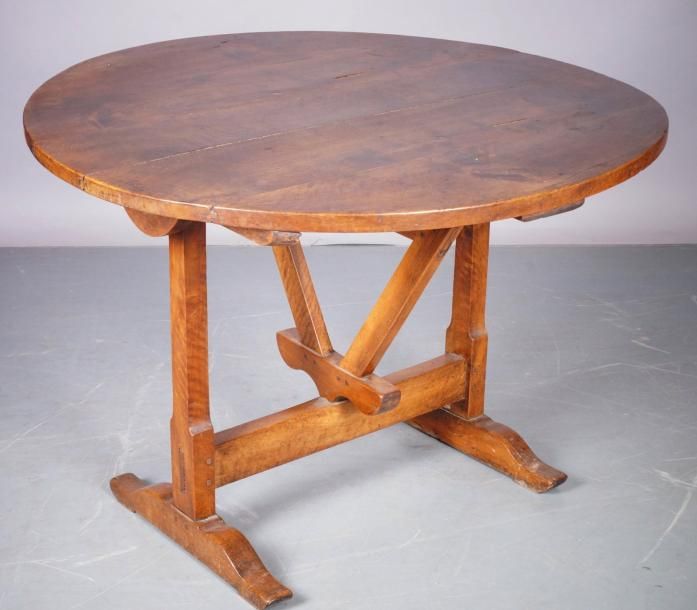 French 19th century, walnut French 19th century, walnut |
A small Louis XIII table of elegant form with simple turned legs, moulded stretchers. Would make a nice side table and could be made with or without the drawer. |
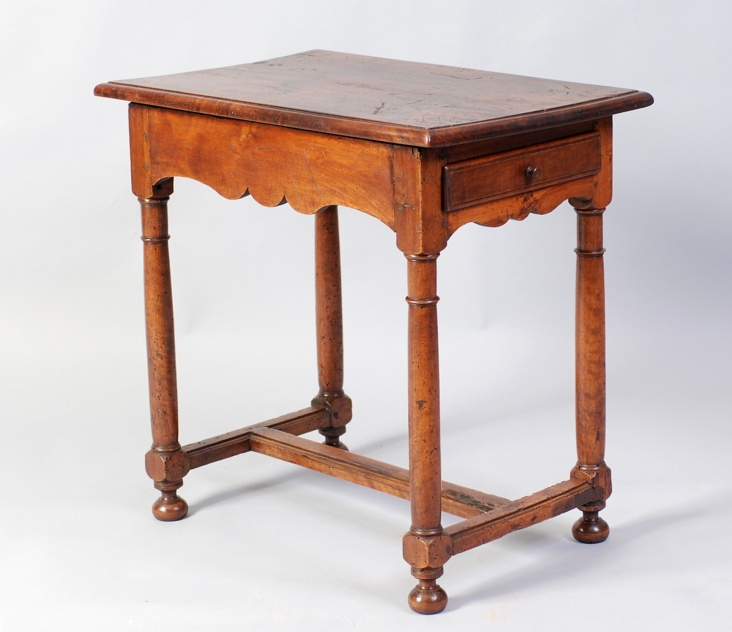 French 16th-17th century, walnut French 16th-17th century, walnut |
The classic Louis XIII table, a strong form that I particularly like. Legs and stretchers turned “en spirale”. Good as a side table, writing table, or library table. The placement and choice of hardware for the pulls can change its appearance, and is a good way to add some desired character. |
 French 17th century, walnut French 17th century, walnut |
An exceedingly rare Louis XIII tilting-top trestle table with central pivoted double gate frame, once in the collection of Princess Schianotoska in Paris. Would be a great occasional table in almost any setting. |
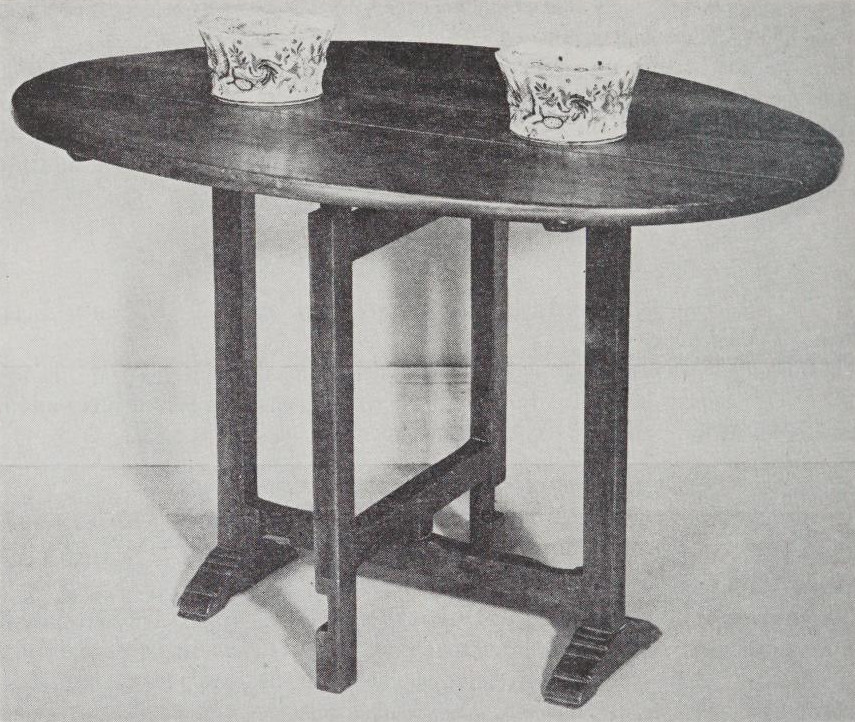 French 17th century, walnut French 17th century, walnut |
A Louis XV table from Lyon that has been converted into a writing table with the addition of a drawer and Morocco (goat) leather on the top. What I like about this table is that is has a more robust structure than most Louis XV tables, as well as some interesting simple decoration. Cabriole legs with hoof feet. Could also be nice scaled up to the size of the table below. |
 French 18th century, walnut French 18th century, walnut |
A writing table of elegant form and nice proportion. Cabriole legs with ball and claw feet. Nice in the library or behind a sofa in a room large enough to accomodate it. For reproduction in the US, black walnut has a bit different color than European walnut. It might be nice in black cherry for a more reddish brown color. |
 Spanish 18th century, walnut Spanish 18th century, walnut |
A Louis XV provincial console table with marble top and cabriole legs with leaf-carved toes. Like many of the other pieces here, what appeals to me about this piece is that it has comparatively simple decoration but excellent natural wood and strong form. This table would also be nice with a wood top. |
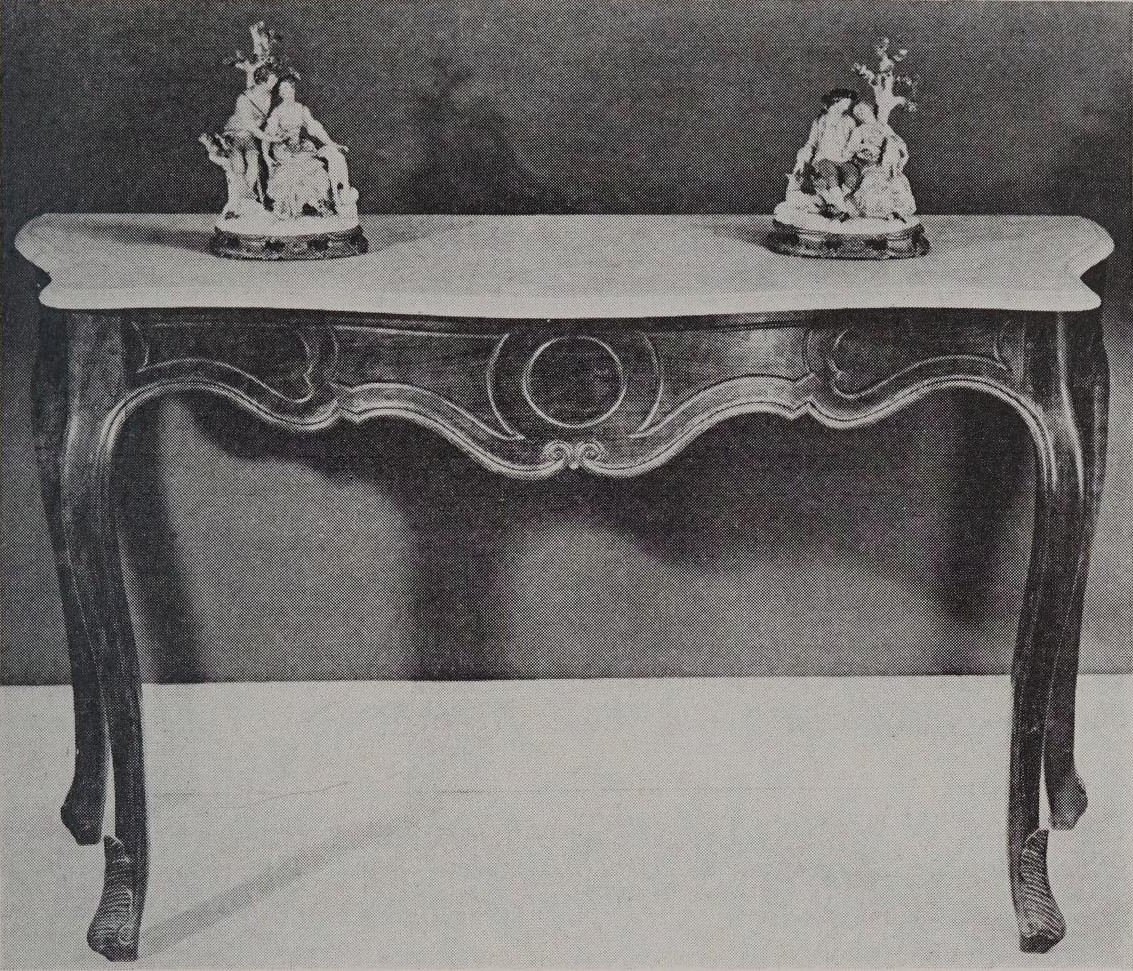 French 18th century, walnut French 18th century, walnut |
A wonderful round table. Originally made for a theological college in England and based upon 15th century French tables. It is of dining table size, but might also be nice scaled down for use as a side table. If newly made in oak, it will be of much lighter color. |
 English 19th century, oak English 19th century, oak |
Another wonderful round table of dining table size. Timeless, rustic, beautiful form in oak. Could also be made in walnut or cherry for a different aesthetic. Excellent with the upholstered chairs shown above or the French provincial chairs shown below. |
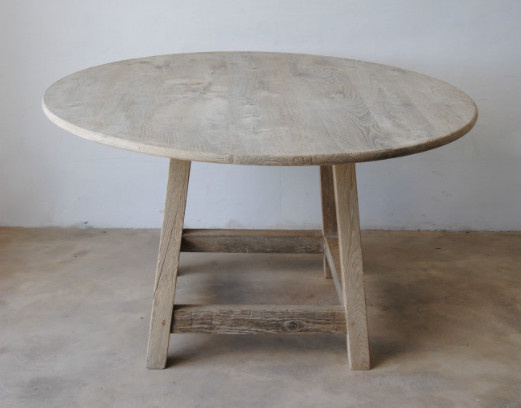 Belgian, oak Belgian, oak |
A nice trestle that could be made for use in the Medieval tradition of a table with loose plank set atop trestles. Originally illustrated in Roubo’s L’art du menuisier for use in the preparation of timber, it was taller than a man, but we would of course scale it down for a table. |
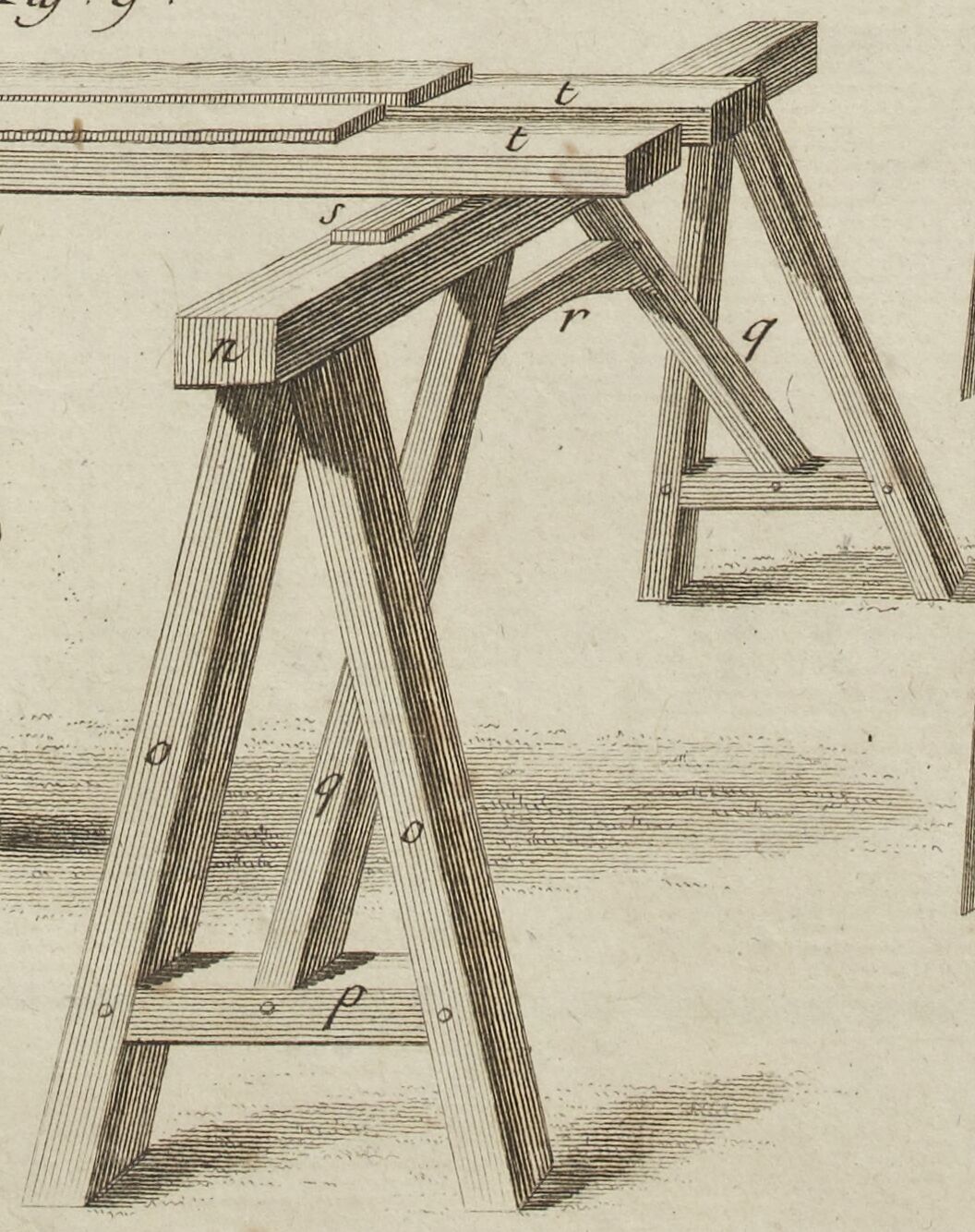 French 18th century, oak French 18th century, oak |
A trestle table in a 17th century form, with nice proportion and just enough decoration to make it interesting. An excellent dining table that leaves nice room for seating. Use exposed to enjoy the wood form or cover with tablecloth for a different aesthetic. |
 English, oak English, oak |
A piece I particularly like, a chest of drawers in Gothic form, with beautiful, subtle carving on the drawer fronts. This is my favorite type of case piece, timber-framed where the structure and joinery is of large proportion, strong and plainly visible. This can be varied, to create any form of desired chest or cupboard. As usual, if newly made in oak, the color will be significantly lighter. |
 English, oak English, oak |
A Gothic knight’s armour chest, originally from a fortress in Périgord, of large size and made with the type of construction that I like and the same kind of “parchemin” carving as the chest shown above. Long forged iron “moustache” hinges for the top. This is a real 15th century piece and another of my favorites. It would be wonderful reproduced in European oak or white oak. |
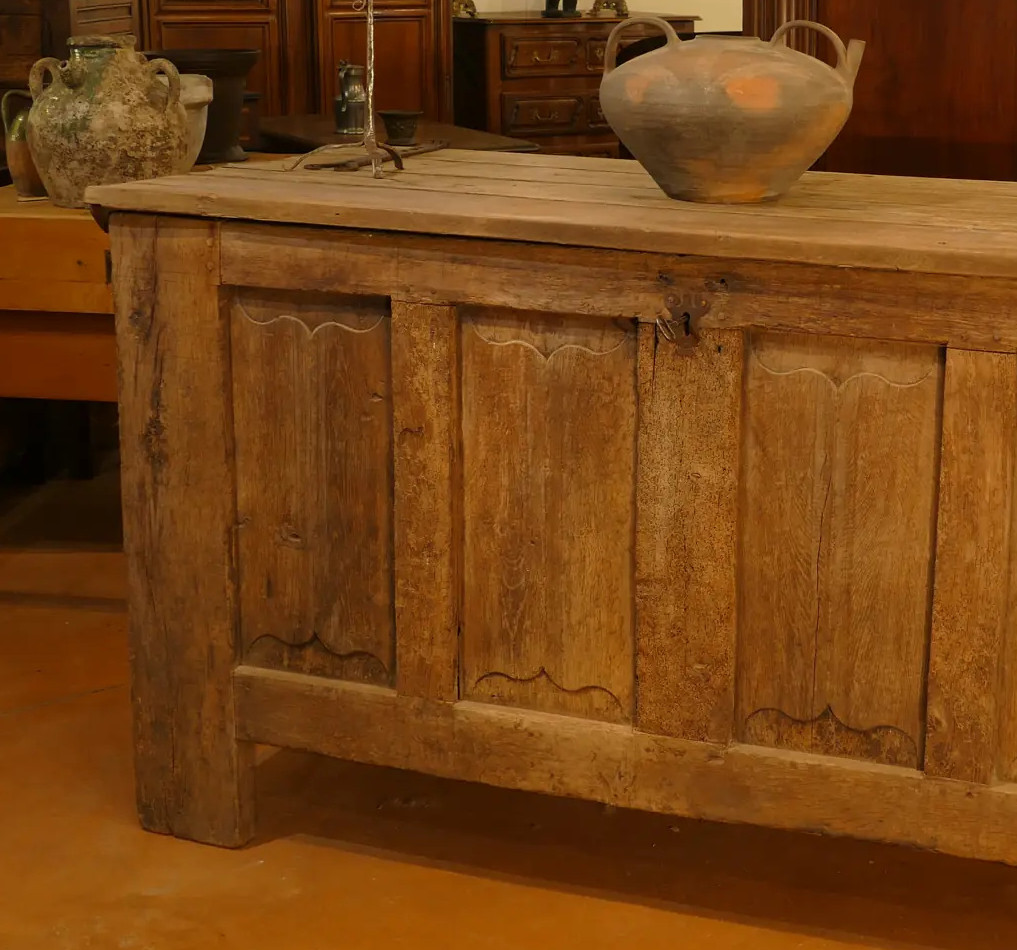 French 15th century, oak French 15th century, oak |
Another example of a timber-framed case piece (see above). This is a cupboard with three doors and two drawers, carved in relief with Gothic motifs of tracery and rosettes, flowers and fruit. This is a real 15th century piece, photographed in 1924. |
 French 15th century, oak French 15th century, oak |
A wonderful 18th century French provincial buffet. I like the elegant and simple form, with interesting shaped framing but no carving on the doors, and just a bit of carved decoration on the bottom rail. |
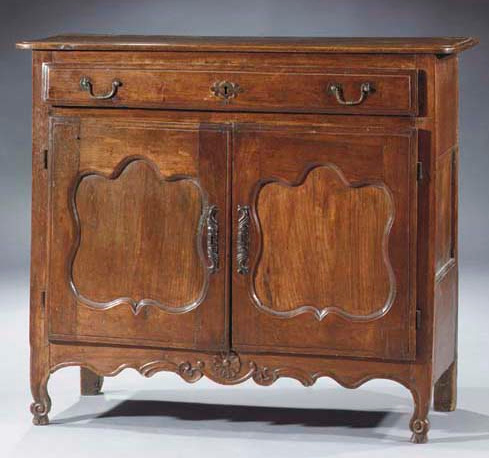 French 18th century, walnut French 18th century, walnut |
A characteristic Provençal chair, with Louis XV inspiration and hand carved shell and leaves decoration. Handwoven grass seat. Can also pair nicely with a horsehair cushion covered in a nice linen or cotton fabric. Perhaps the most charming provincial chair in existence—although, some of the other styles we can have made are also good. |
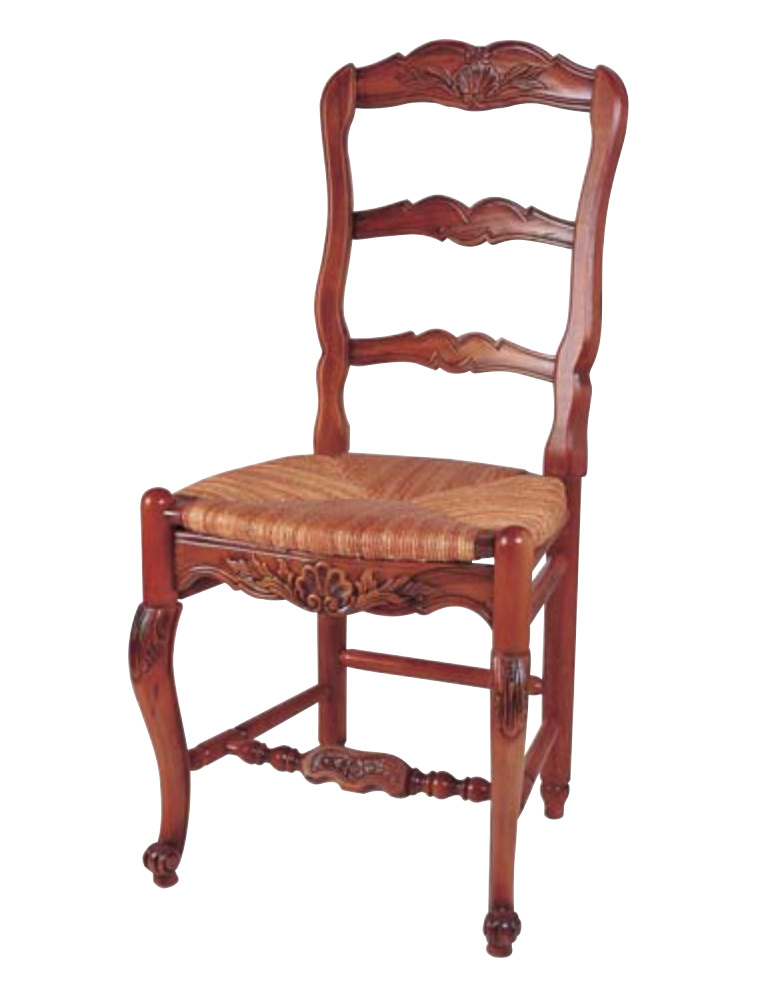 French, walnut French, walnut |
A French provincial chair that originates in the Gard area of Southern France. A nice balance of rusticity and robust form with some elegant detail. Handwoven grass seat. Can also pair nicely with a horsehair cushion covered in a nice linen or cotton fabric. |
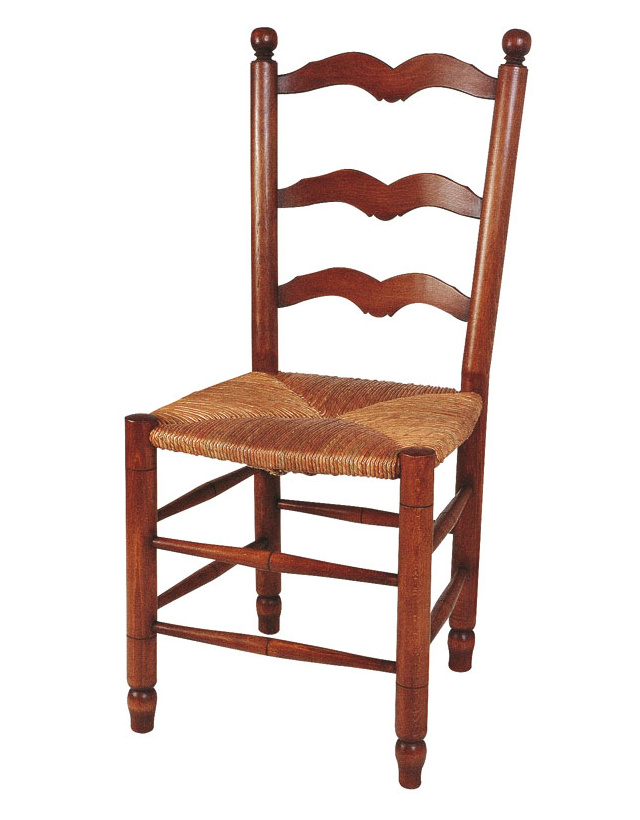 French, antique waxed beech French, antique waxed beech |
A French provincial chair that originates in the Gard area of Southern France. The armchair version of the chair above. A nice balance of rusticity and robust form with some elegant detail. Handwoven grass seat. Can also pair nicely with a horsehair cushion covered in a nice linen or cotton fabric. |
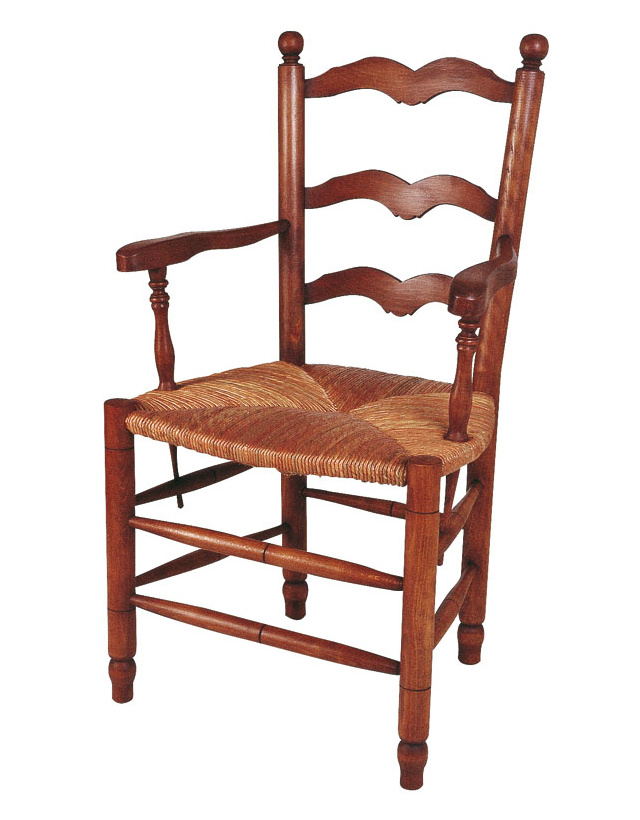 French, antique waxed beech French, antique waxed beech |
A classic French farmhouse chair. Simple yet appealing. Handwoven grass seat. Can also pair nicely with a horsehair cushion covered in a nice linen or cotton fabric. 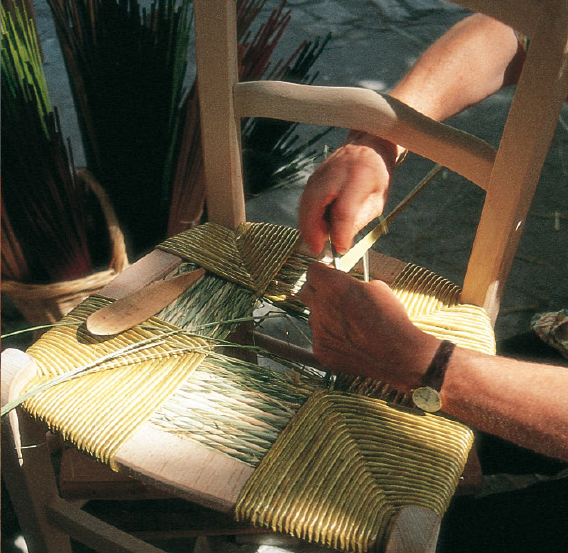 |
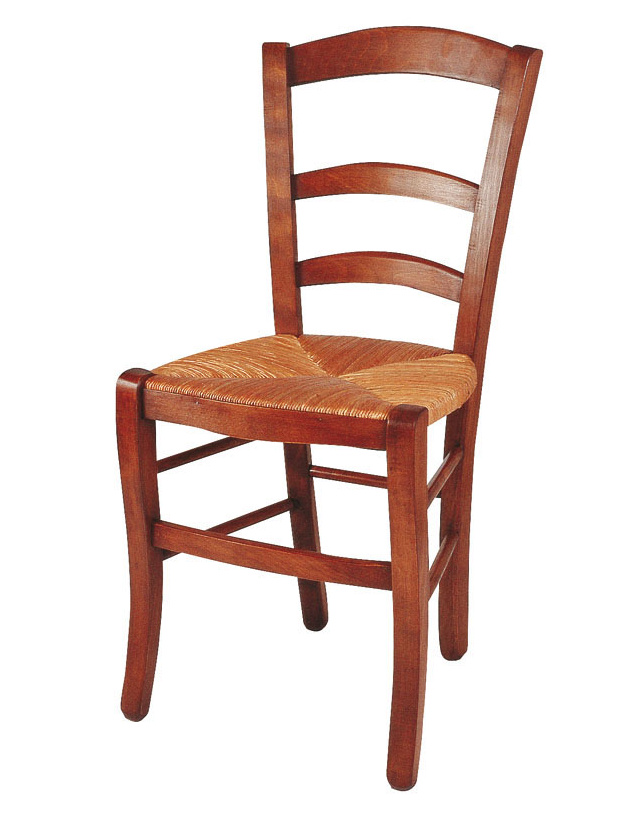 French, antique waxed beech French, antique waxed beech |
A classic French farmhouse lounge chair. Handwoven grass seat. Can also pair nicely with a horsehair cushion covered in a nice linen or cotton fabric. |
 French, antique waxed beech French, antique waxed beech |
A nice English country chair. Characterful turning on the front stretcher adds a small decorative touch. Handwoven grass seat. Would be nice as dining chairs at a farmhouse table or as extra seating in the house. Would be good reproduced in ash or oak. My favorite of the English country chairs. Likely to be found in Mole, Ratty, or Badger's house, and others of good taste. Can also pair nicely with a horsehair cushion covered in a nice linen or cotton fabric. |
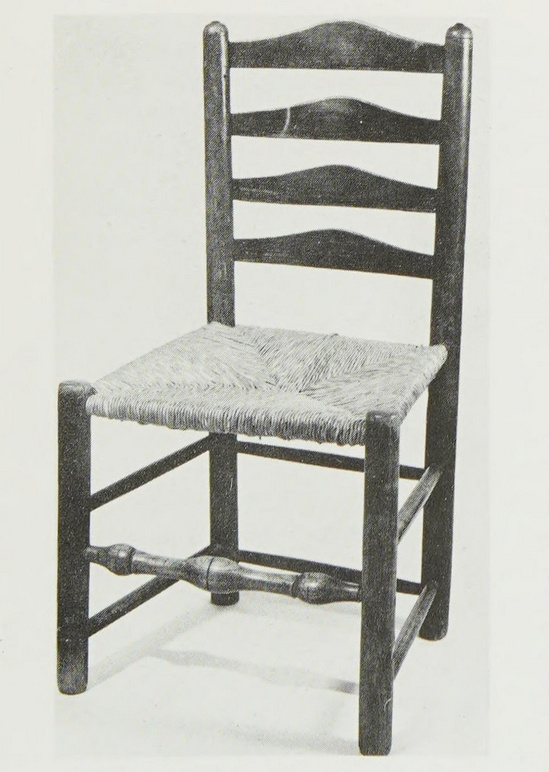 English 18th century, ash English 18th century, ash |
Lamps
I use English-, French-, and Italian-made brass lamps and conversions of new and antique pottery. Always unlacquered brass to patinate naturally. I prefer handsewn silk and linen and sometimes parchment card lampshades on uncoated copper, brass, or iron frames. Floor and table lamps make for pleasant lighting, and properly handmade lampshades greatly add to their presence and character.
In my opinion, the heated tungsten filament is the only acceptable form of electrical light, so I encourage you to seek out those bulbs that are still available. Energy conservation can come from using modest amounts of light and only using the lights when necessary. And, as they have been for thousands of years, olive oil lamps and beeswax candles are still good options, especially if you want to be truly ecological.
 B10 E12 130V, tungsten incandescent with neodymium glass B10 E12 130V, tungsten incandescent with neodymium glass |
 G16.5 E12 130V, tungsten incandescent with neodymium glass G16.5 E12 130V, tungsten incandescent with neodymium glass |
 B10 E26 130V, tungsten incandescent with neodymium glass B10 E26 130V, tungsten incandescent with neodymium glass |
 A19 E26 130V, tungsten incandescent with neodymium glass A19 E26 130V, tungsten incandescent with neodymium glass |
I work with an English workshop for many of the lamps. This is one of my favorite floor lamp base and height-adjustable pole combinations, which I can have made into a straight lamp or swing-arm lamp. A range of brass and bronzed finishes are possible. |
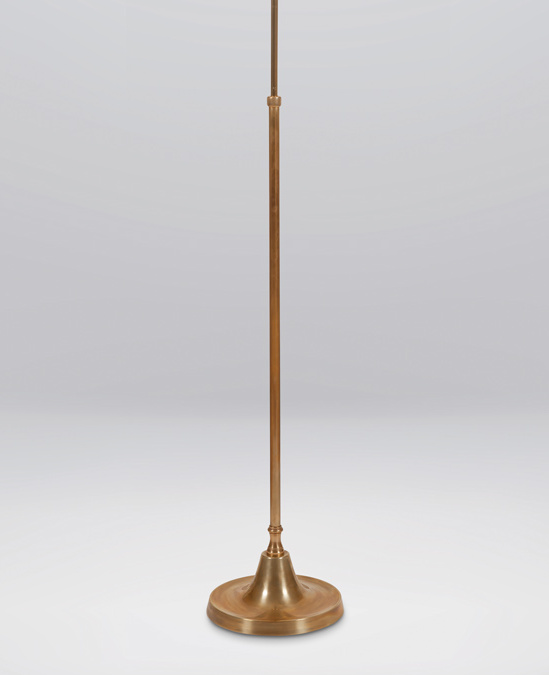 English, brass English, brass |
An elegant octagonal column table lamp in solid cast brass, with a timeless feel. Shown with nickel plating, but I would usually use brass. Shown with a card shade, but I like to use pleated silk. |
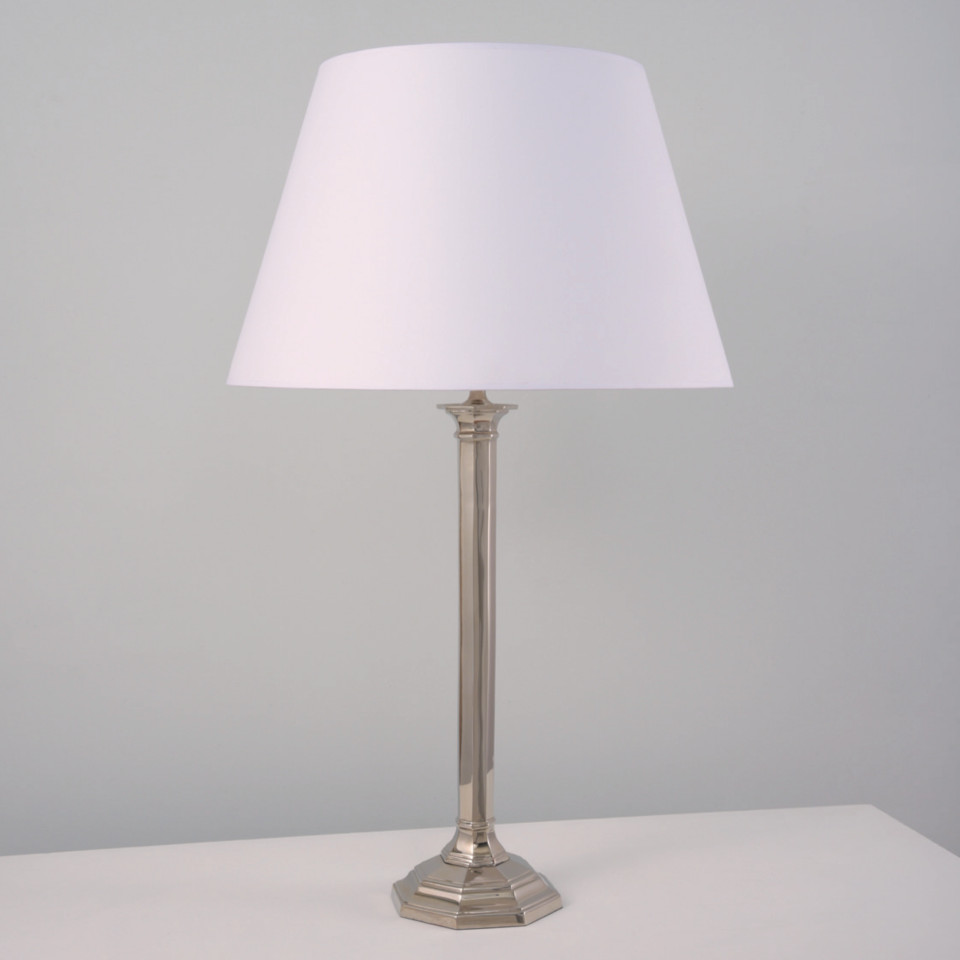 English, nickel-plated brass English, nickel-plated brass |
Imari (Arita ware) pottery made into table lamps, pictured below. These offer wonderful style, but of course will depend upon what antique pottery we can find at the time.

Japanese 19th century, porcelain
The kind of large antique pottery, pictured below, that can be turned into beautiful lamps. This can be done in a non-damaging and reversible way, so that they can be returned to pure pottery form if desired.
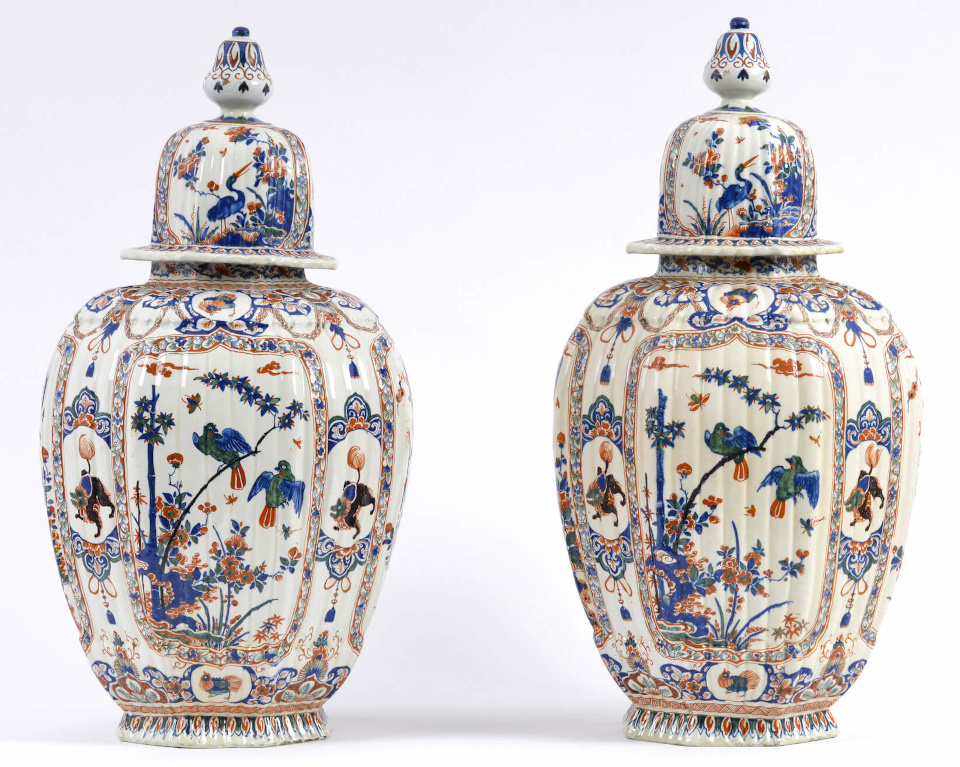
Dutch 18th century, ceramic
There are also still a few nice pieces of new hand painted pottery being made that I can have made into lamps. Pictured below are a couple of nice, large pieces.
 Dutch, ceramic Dutch, ceramic |
 Dutch, ceramic Dutch, ceramic |
We can also use newly made classic large pottery shapes with plain glazes to make the lamps. I like colors like the old pottery of centuries past in tans and greens, but dark colors are also possible.
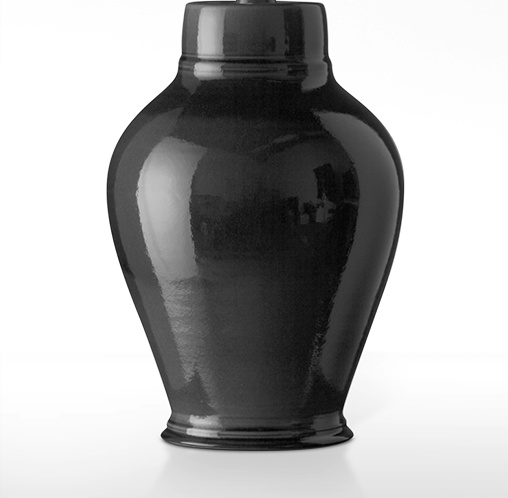 American, ceramic American, ceramic |
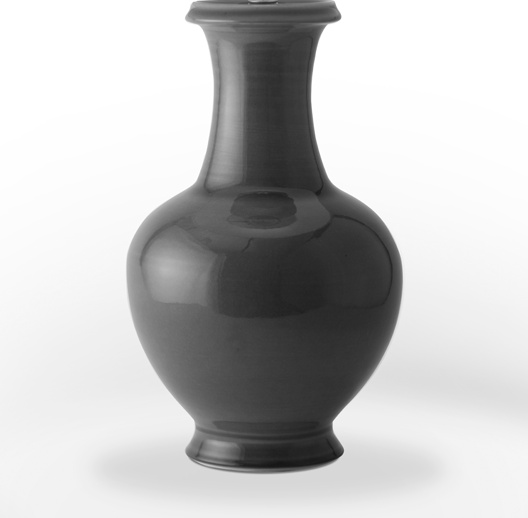 American, ceramic American, ceramic |
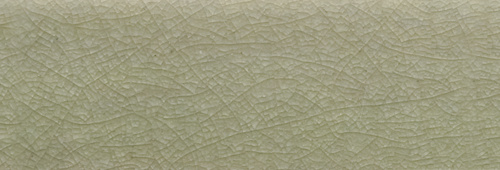 Ceramic glaze Ceramic glaze |
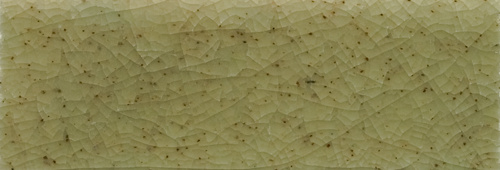 Ceramic glaze Ceramic glaze |
A new pottery piece that could be made into an interesting and earthy table lamp is a French terracotta jarre Provençale. The unglazed surface would be a bit different from many lamps, but if you love terracotta like me, it might be nice. |
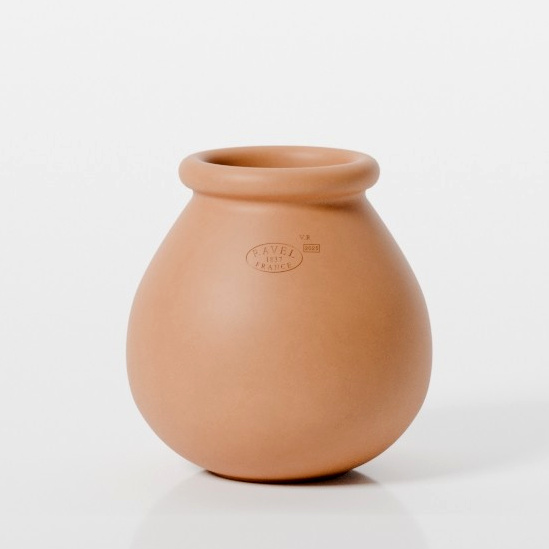 French, ceramic French, ceramic |
A simple swing-arm wall light. A greatly versatle lamp in any setting. Shown without, but of course it would be used with a lampshade. Can also be made with a single swing-arm for lower-profile installation. The backplate size and toggle switch can be changed as desired. |
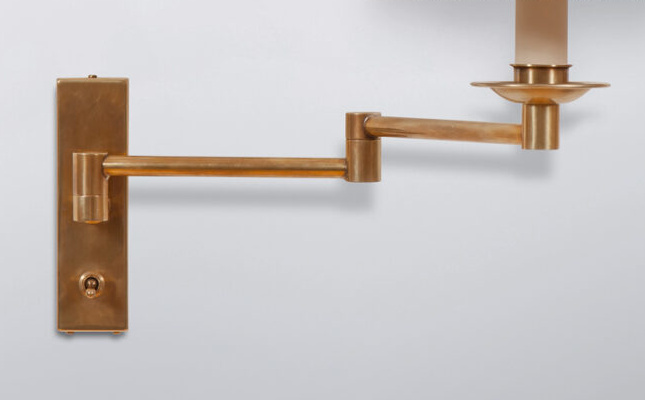 English, brass English, brass |
We can use Doupion silk woven on old shuttle looms in France for the lampshades. This is a fabric with nice weight, texture, and color for this purpose.
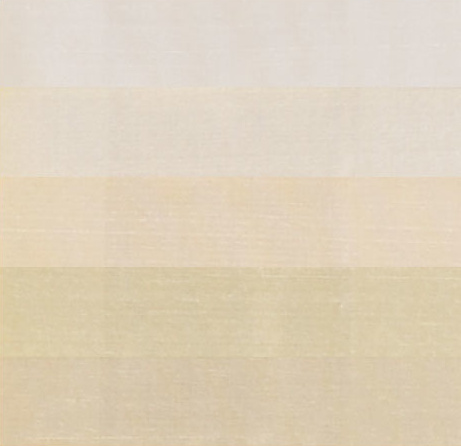 French, 100% silk French, 100% silk |
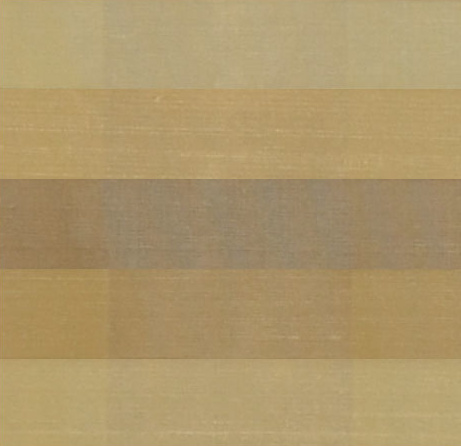 French, 100% silk French, 100% silk |
Antiquities and other really old stuff
I like the simple forms and beautiful old materials of ancient Egyptian and Minoan antiquities, as well as some old pottery. Objects this old and elegant and earthy have something of an enigmatic feeling to them, like some timeless truth is being portrayed.
 Chinese AD 7th-9th century, ceramic Chinese AD 7th-9th century, ceramic |
 Egyptian 3rd millennium BC, travertine Egyptian 3rd millennium BC, travertine |
 Egyptian 3rd millennium BC, travertine Egyptian 3rd millennium BC, travertine |
 Egyptian 3rd millennium BC, travertine Egyptian 3rd millennium BC, travertine |
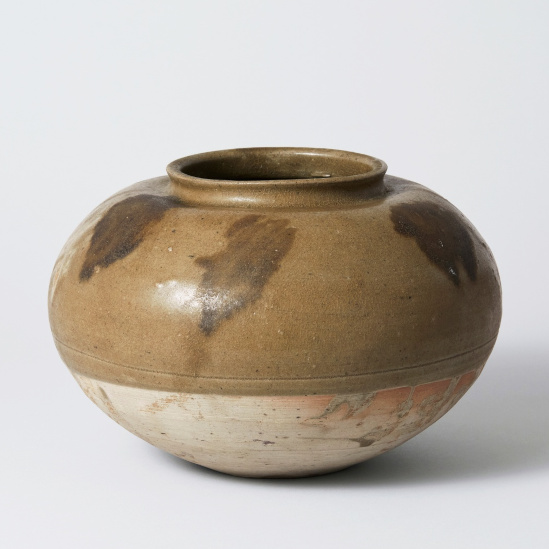 Chinese AD 7th-9th century, ceramic Chinese AD 7th-9th century, ceramic |
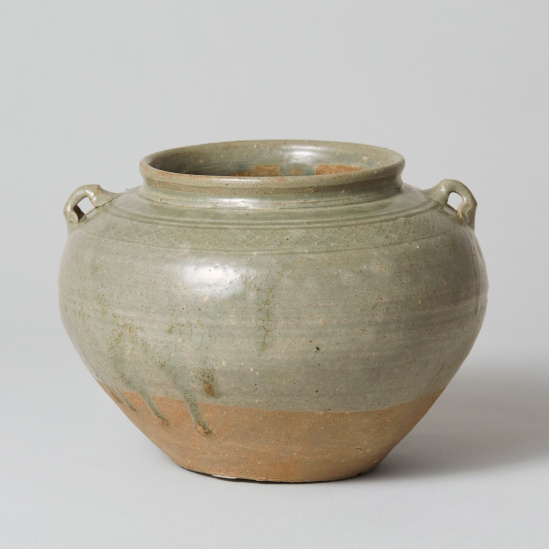 Chinese AD 3rd-4th century, ceramic Chinese AD 3rd-4th century, ceramic |
“The old that is strong does not wither,
Deep roots are not reached by the frost.”
mmxxvi
(Photography)